
Discover the elements of a great travel photograph that can help make your own photos more memorable.

This post may contain affiliate links - we receive a small fee from purchases made through these links. For more details, please see our Disclosure Statement.
Collaborative post.
A great travel photograph can do a lot more than just prove the photographer was there.
It can convey the feel of a moment in time and place, like the heat rising from a market street, the quiet before a mountain storm or the buzz of a beachside bar. It helps the viewer to feel a little of what the photographer felt when they pressed the shutter button.
But exactly what goes into creating a truly evocative travel photograph is a bit more nebulous. Is it good technical skills? Great framing? A decent camera? Or maybe it’s something less easy to identify.
Whether you’re using a top DSLR or your smartphone, let’s take a look at the elements that make up a great travel pic,
Which Photos are Worth Printing?
Like many travellers, you probably return from each holiday with thousands of images stashed away on your SD card.
But only a few of these linger in your mind – and even fewer get selected for canvas printing and a lasting place on the wall.
What makes a travel photo wall-worthy enough to print it out and look at it every day? Well, often there’s an emotional pull that comes from a balance of story, light, composition and emotional honesty.
A Clear Sense of Story
Most memorable travel images suggest either that something has happened, is happening or that it’s about to happen.
Picture an image of fishermen mending nets on the beach at dawn or a train disappearing into the mist-filled distance – these have tiny narratives that can draw the viewer in.
There’s no need for the photograph to explain everything about the setting and story. In fact, mystery is part of the strength of a good photo. What matters is that the viewer can enter the scene and begin asking questions.
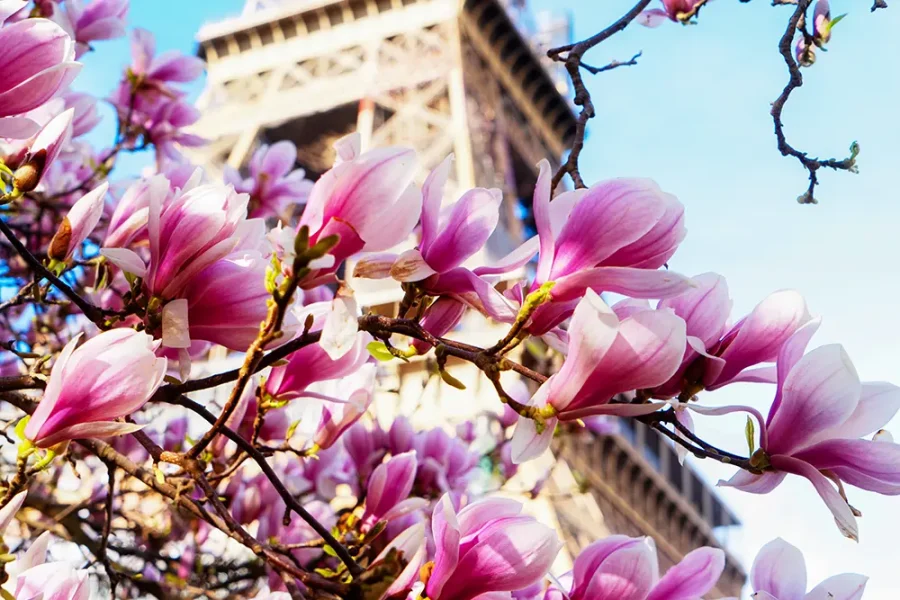
A strong story also depends on small details. For example, famous monuments are photographed millions of times, so a great picture often looks away from the obvious and well-known towards something smaller and with more character.
Maybe it shows a souvenir seller waiting behind the landmark, rain pooling on ancient stones or local commuters seemingly ignoring the view that visitors have crossed oceans to see. These details can add more of a sense of place and time than the more well-known but bland image of the monument alone.
Light That Serves the Mood
Photography literally means ‘drawing with light’, and using light more effectively will help improve your travel photography.
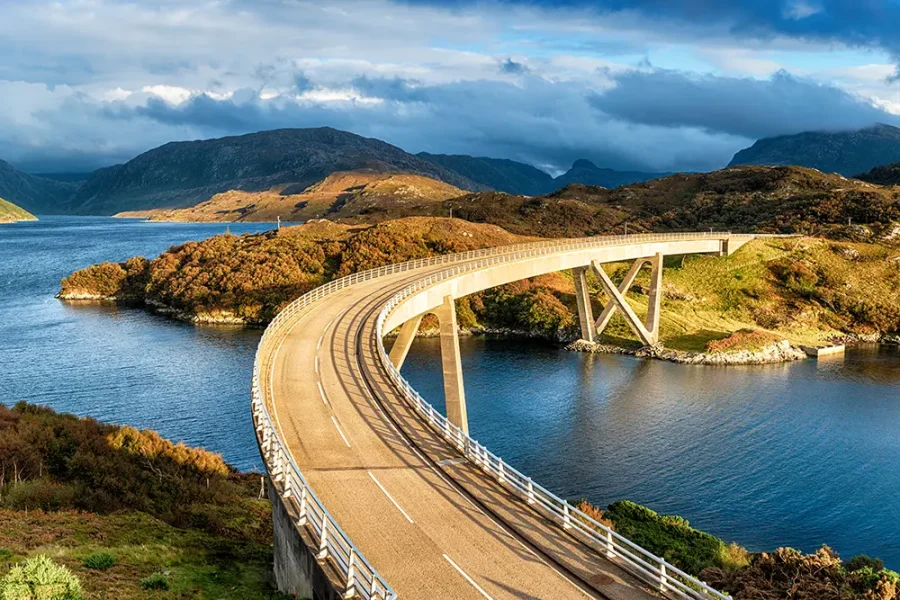
Finding good lighting conditions often means rising early, or staying out late, and watching patiently. The golden light around sunrise and early evening can flatter a landscape, or you might prefer the blue light of dawn and dusk.
Harsh midday sun can wash out a picture, but it can also be powerful if it suits the subject. For example, a whitewashed village, a desert road, or a crowded square shimmering with heat can all look more intense in the heat of the midday sun.
Weather and season matter too. Fog can simplify a chaotic harbour scene, snow can silence a city and rain can bring reflections, umbrellas and saturated colour. Instead of viewing imperfect conditions as obstacles, the best image makers use them to add atmosphere.

Composition with Purpose
Composition isn’t a set of rules to obey without question. Think of it more as a framework of ways you can guide your viewer’s attention. Leading lines, frames within frames, layers and negative space all help the eye travel through an image.
For example, a clean foreground shape may help prevent confusion in a bustling bazaar scene, and a small human figure may give scale and emotional entry in a panoramic landscape.
What separates a good composition from a great one is intention. Cropping out a distracting sign, waiting for a red coat to cross a blue doorway or kneeling down so that prayer flags fill the sky can transform an otherwise fairly basic shot into a considered photograph.
The frame tells the viewer what matters in this particular image. Everything inside it should earn its place, and everything outside it should be excluded for a reason.

Human Connection and Respect
Travel photography is inseparable from ethics – people are not props, and unfamiliar cultures are not costumes.
A great photograph made in another community must be respectful in its timing, distance and context. This is particularly important if you’re planning to use those photos to blog your experiences.
Sometimes that means asking permission before you take a photo; other times it means putting the camera down. The dignity of the subject should always trump the photographer’s desire for drama.

Technical Skill Without Fuss
Sharpness, exposure and timing matter, but they should support the final photo rather than becoming the photographer’s main preoccupation.
A technically flawless image can feel empty, while a slightly imperfect one might be unforgettable if it captures a rare gesture or emotion. Knowing your equipment well is the best way to get the technical elements right while maintaining your focus mostly on the moment you’re seeking to capture.
The real craft in taking a great travel photo lies in making your technique seem invisible and effortless. Viewers should notice things like the light in the alley, the expression at the station window, and the silence of the valley – not the settings you used to get the effect.
Once you combine all of these elements and put in a decent amount of practice, you have everything you need to create your next great travel photograph. So what are you waiting for?