
Planning a road trip doesn’t mean a strict itinerary. Follow our guide to plan a road trip that embraces spontaneity and creates lasting memories.
This post may contain affiliate links - we receive a small fee from purchases made through these links. For more details, please see our Disclosure Statement.
Collaborative post.
There’s a certain magic to the idea of a road trip, especially one that doesn’t stick to a rigid itinerary or minute-by-minute schedule.
While a well-organised holiday certainly has its attractions, real adventures often begin when the plan comes to an end. But true spontaneity doesn’t mean you shouldn’t prepare at all.
The trick to creating a happy compromise is to plan for flexibility. This creates a framework that can accommodate unexpected detours and surprise discoveries, providing the freedom to follow your curiosity.
Our guide to planning a flexible road trip will show you how to find that perfect balance. Follow these simple steps, and your next road trip is sure to be memorable for all the right reasons.
Embrace the Open Road
The psychological benefits of travel are well-known, and adding spontaneity can boost feelings of freedom and discovery.
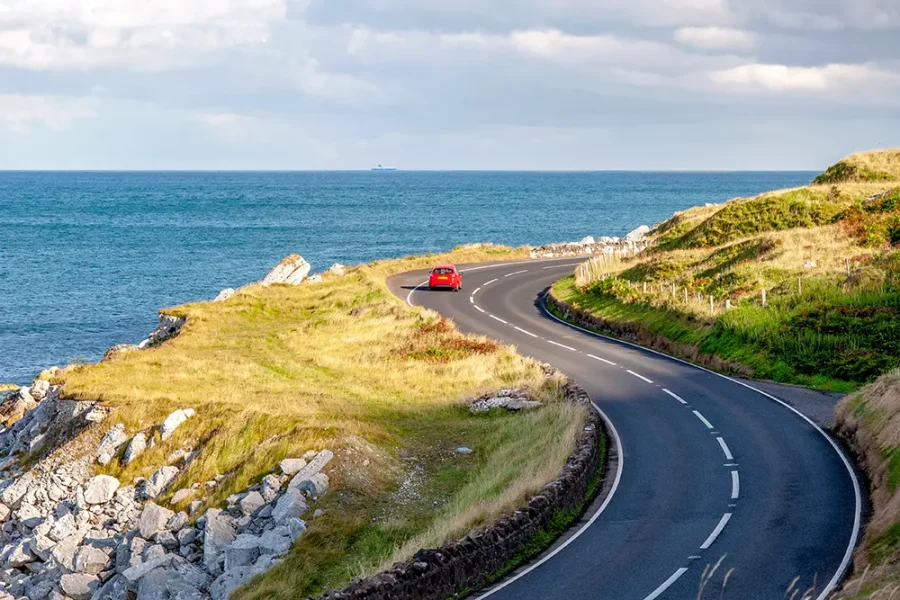
Having the right mindset is one of the most important aspects of a spontaneous road trip. It’s essential to consciously let go of control and be open to uncertainty.
Instead of seeing a missed turn or a closed attraction as a problem, look at it as a chance for something new to happen. This approach will help you stay present and enjoy the journey itself, not just the destination.
Your ultimate goal is to move from a checklist-driven experience to one guided by curiosity.
To get into this mindset, start small. Give yourself permission to change your plans based on a local’s recommendation or a sign pointing to a scenic viewpoint.
So, if you spot a quirky-looking cafe, stop for a coffee. If you overhear someone chatting about a local market, make it your next stop.
This kind of flexibility turns a simple drive into a real adventure, creating stories you’ll retell for years to come.
Mapping Out Flexible Routes
Planning for spontaneity might sound like a contradiction, but it’s really about building a loose structure that encourages freedom.
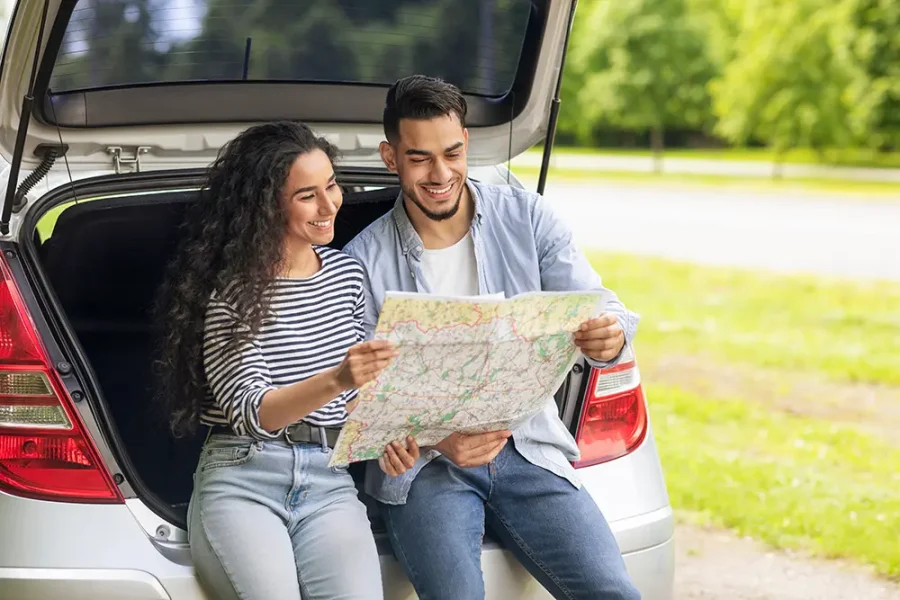
Instead of mapping out a precise A-to-B route with timed stops, think about a general direction or a few ‘must-see’ anchor points. For example, you might decide to explore the Cotswolds or drive the North Coast 500, while staying flexible about the roads you take and the villages you explore.
Digital map apps can be a great aid to spontaneity. Before you set out on your road trip, save a few potential points of interest in a region, like castles, nature reserves or great pubs, but don’t link them into a fixed route.
This will give you a bank of inspiration when you’re wondering where to go next.
Having a rough idea of your route helps with practical aspects like fuel costs and driving times, without locking you into a fixed schedule or losing the spirit of adventure.

Borrowing a Car for Your Adventure
Your vehicle is your key to freedom on a road trip, but you don’t necessarily need to own the perfect car for the job. Maybe your own car isn’t suited for long distances, or perhaps you don’t own one at all.
Borrowing a car from a friend or family member can be a great, cost-effective solution. You might be able to borrow a classic car for a special road trip, use a more fuel-efficient model for a long journey, or fall back on a larger vehicle if you’re travelling with lots of gear.
However, insuring your borrowed car is a crucial consideration you can’t ignore. You must be properly insured to drive the vehicle, as driving without the correct cover is illegal and could have serious consequences for both you and the car’s owner.
Temporary car insurance can really help if you only need to use a car for a day, a weekend or even a few weeks. This type of cover is separate from the owner’s annual insurance. It can be arranged for a specific period, depending on the policy.
Essential Gear for Any Journey
Packing for a spontaneous trip is an art. A waterproof jacket, a warm fleece and comfortable walking shoes are essential for any road trip, even a quick day trip. But the key to a flexible road trip is ensuring you’re ready for different situations without loading yourself down with non-essentials.
The key is to pick versatile items that do multiple jobs. Instead of a different outfit for every day, pack a capsule wardrobe with layers you can add or remove depending on the famously unpredictable British weather.
Beyond clothing, a few key pieces of gear are essential for every road trip. A well-stocked first-aid kit, a portable power bank for your devices and a car phone holder for navigation are crucial. Having the road trip essentials covered means you’re ready for whatever the journey brings.
If you’re planning a shorter road trip, a cooler box filled with water and snacks is also a good idea. It gives you the freedom to have a picnic wherever you find a beautiful spot and saves you from relying on expensive service station food.

Discovering Hidden Gems
The most memorable moments of a road trip are often the unplanned discoveries. These are the hidden gems you won’t find in mainstream guidebooks. So, how do you find them?
The simplest way is to get off the motorways and A-roads. Take the scenic route, follow the winding country lanes and see where they lead.
Look out for brown tourist road signs, which often point to interesting historical sites, natural wonders or local attractions.
Talking to locals is another great way to find hidden gems. Baristas, pub landlords and shopkeepers are amazing sources of local knowledge.
Ask them for their favourite walking trail, the best place for a Sunday roast or a viewpoint that isn’t crowded with tourists. You’ll often get recommendations that lead to authentic experiences.
You can also use technology by exploring websites and apps like Atlas Obscura that catalogue unusual and obscure places around the world. A quick search of your general area can reveal fascinating oddities that are just a short detour away.
The best road trips combine light preparation with a willingness to embrace the unknown. By setting yourself up with a flexible plan, the right gear and an open mind, you create the space where magic can happen.
The real adventure isn’t just about where you go, but the stories you collect along the way.