
Discover how a more thoughtful travel style can create a stronger and more authentic sense of your holiday destination.

This post may contain affiliate links - we receive a small fee from purchases made through these links. For more details, please see our Disclosure Statement.
Collaborative post.
Great travel experiences often begin beyond the headline attractions, in neighbourhood cafés, community markets and conversations that reveal how a place really works.
Of course, we’re not suggesting you avoid major landmarks altogether. Famous sights still deserve a place in your itinerary, but they feel richer when you balance them with local food, everyday customs and time spent in the great outdoors.
This more thoughtful travel style also has another benefit. It tends to spread visitor spending among smaller businesses, helping to support the local economy.
Read on to discover how a more thoughtful travel style helps you return home with a stronger sense of the destination you’ve visited.

Seeking Out Genuine Connections
Interest in authentic local experiences reflects a growing desire among travellers to understand daily life as well as see celebrated landmarks. But it’s hard to have meaningful contact with local people when every hour of your trip is tightly scheduled.
So leave room in your schedule for a guided neighbourhood walk, a small cookery class or a chat with the owner of an independent shop.
If you’re travelling overseas, learning a few words in the local language can open doors. Locals tend to appreciate it if you can say ‘good morning’, ‘good evening’, and ‘thank you’ in their language, even if your pronunciation needs work.
When you’re interacting with local residents, ask respectful, specific questions and listen carefully to the answers. Instead of requesting a generic recommendation, try asking the best place to buy freshly baked bread or enjoy a coffee on a quiet Sunday afternoon.
This is how you stumble across hidden gems, the places that won’t appear on a standard sightseeing map.

Exploring Local Culture and Hidden Gems
The best place to start your research is community tourism pages, regional newspapers and independent destination guides. A guide to Puerto de la Cruz, for example, may point readers towards local districts, walking routes and cultural experiences beyond the best-known visitor areas.
Once you arrive at your destination, visit popular places early in the day and reserve the quieter part of the day for relaxed exploration.
Look out for public gardens, small museums, craft workshops and local markets within easy reach of your accommodation. It’s a good idea to check opening days and times before setting out, as smaller family-run venues may keep shorter hours.
And if you’re thinking of sharing your discovery online, consider whether publicising its exact location could place pressure on a fragile site or private community space. If it has a TripAdvisor or Yelp listing, you’re probably OK to share the details.
Immersion through Carefully Curated Journeys
A well-designed guided itinerary can add depth to your experience, even when distances are large or local logistics are complicated.
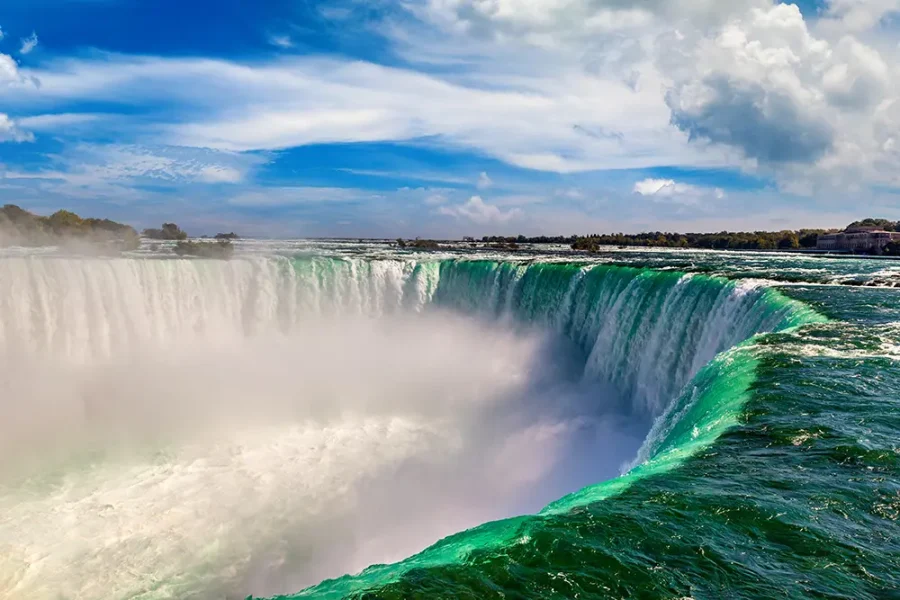
For example, if you’re comparing Canada holidays, you can choose from escorted tours that combine cities, rail travel, natural wonders and wildlife viewing across different regions. Local guides provide useful context, while organised transport gives you more time to pay attention to the places you came to see.
Always read the daily itinerary closely before booking. You should check how long the group spends at each stop, how much free time is included and whether experiences involve locally owned businesses.
A schedule with two meaningful visits and an unhurried lunch can give you a much richer experience than six rushed photo stops. Group size also matters, particularly in small communities and natural areas. Larger groups will struggle to be accommodated in small cafés, and large coaches might not be able to access narrow local roads.

Engaging with Nature Respectfully
Outdoor experiences feel more rewarding when your presence leaves little trace. When you’re exploring the great outdoors, stay on marked paths, carry reusable water bottles instead of single-use plastic and always take all litter away with you.
It’s important to keep a respectful distance from animals, using binoculars if you want a closer view. Feeding wildlife can change their natural behaviour and create risks for both animals and visitors.
If you’re booking coastal walks, forest excursions or birdwatching, be sure to choose activities that use recognised local guides. These experts know the area well and can explain seasonal conditions, identify sensitive habitats and steer your group away from damaged ground.
If you’re exploring on your own, always check the official rules before visiting a protected area, and book permits where required. Small choices matter too: try to travel outside peak hours, use public transport where practical and avoid collecting shells, stones or plants as keepsakes.

Choosing Memories Over Souvenirs
Of course, you want to take home reminders of your holiday, but a bag full of mass-produced tourist souvenirs isn’t the only option.
You can give experiences a permanent place in your memory by recording details while they remain fresh. Each evening, write down one conversation, one meal and one unexpected sight from the day that’s just passed.
It doesn’t have to take long, and you don’t need to write an essay. Ten minutes is enough to capture the name of a family-run café, the sound of a busy square or the story behind a local tradition.
Photographs become more meaningful when they show context, so include street signs, menus and wider scenes alongside classic viewpoints. Remember to always ask permission before photographing people or private workshops.
If you do want to take home physical souvenirs, try to choose locally made items and ask questions about the item or its maker. A small print or a packet of regional spices can support local businesses without filling your suitcase.
Before your holiday, you might be anticipating the most famous landmarks and best-known experiences. But once you arrive, you may discover that the most revealing moment of a trip is a conversation on the train or an afternoon spent in a quiet community museum.
Leave enough space in your plans for these precious unscripted encounters, then record the details you’ll want to remember once the postcard views have faded away.