
Are you planning a motorcycle road trip this autumn? Discover 7 simple steps to plan a safe and enjoyable motorbike adventure.

This post may contain affiliate links - we receive a small fee from purchases made through these links. For more details, please see our Disclosure Statement.
Collaborative post.
Setting off on a motorcycle road trip can be the adventure of a lifetime, but being on the road carries some risks that must not be overlooked.
So, before putting your helmet on and driving off towards your destination, it’s essential to take time to prepare for what lies ahead. This includes planning your route, maintaining your bike and brushing up on best driving practices.
You also need to take seasonal conditions into consideration, as the weather can have a major impact on your road experience.
While motorcycle riding is undeniably a thrilling experience, it is important to keep in mind that it carries some unique risks. Motorbike riders are less protected compared to car drivers and may be less visible when they’re on the road. That’s why they are 30 times more likely to be involved in a fatal accident than car drivers.
In this guide, we’ll look at some key steps that will help you enjoy your motorbike adventure safely and with peace of mind.

Plan a Scenic Yet Safe Route
Setting off for a road trip on your motorcycle can be the ultimate romantic road trip experience. This is especially true if you plan a trip through some of the most scenic routes out there.
Whether you’re exploring the south coast of England, cruising the NC500 in Scotland, or taking on the stunning mountain landscape of North Wales, you certainly won’t be short on options!
However, it is also important to put safety first, especially during autumn, when weather conditions can change quickly. Be sure to select a trip that matches your level of experience, as nothing should be more important than comfort and safety!

Prepare Your Motorcycle
Assuming you’ve already got a motorbike and the appropriate licence, take some time to go over your bike’s maintenance. Pay particular attention to the tyres, electrics, brakes and fluids, and check out the Highway Code rules for motorbike riders.
If you don’t feel confident doing this yourself, visiting a specialised mechanic will give you peace of mind.
Secure Motorcycle Insurance
Next up, ensure you have the appropriate insurance for your bike. Check your existing policy and adjust it if necessary to ensure the coverage is appropriate for your needs.
This is particularly important if you’re taking your bike overseas, as your current insurance may not be valid. It’s a good idea to consult a specialist insurer to understand the best type of coverage for your needs and compare motorbike insurance options before you buy.
This step may take some time, but it ensures you, your bike and other road users are protected should anything happen during your trip. And that allows you to relax and enjoy your journey with peace of mind.
Prep Your Gear for Autumn Weather
Autumn weather can be unpredictable, with sunny and warm days punctuated by rain showers and high winds.
Be sure to dress accordingly and set up your bike with suitable tyres. Carrying some extra layers or a dry change of clothes can also add comfort at the end of a long riding day.
The last thing you want is to get caught short halfway through your journey!
Brush Up on Defensive Riding Techniques
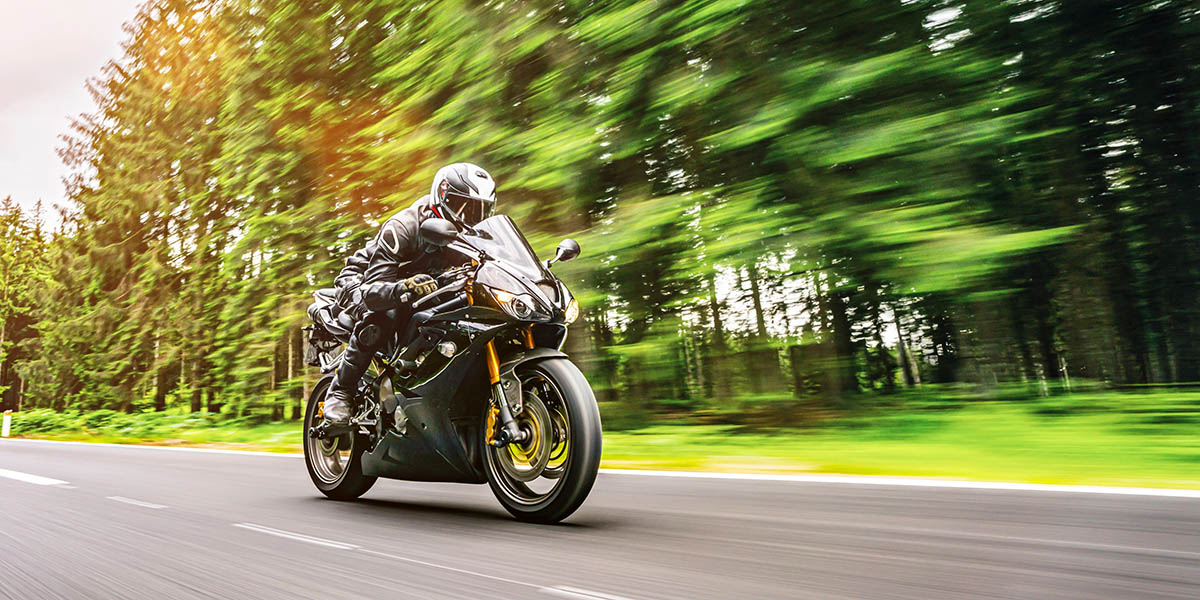
Defensive riding is about being able to anticipate hazards and prepare for emergencies on the road. It includes anticipating potential mistakes from other road users, adapting to changing conditions and always thinking ‘what if?’.
You can keep yourself as safe as possible by staying aware, visible, and ready to react, rather than just relying on others to follow the rules.
Some key best practices include:
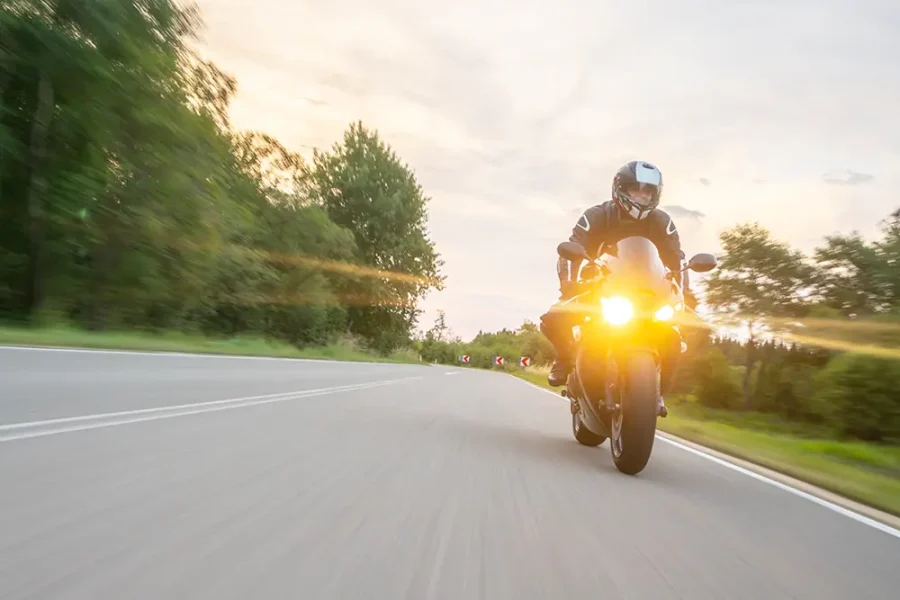
- Make yourself easy to see by using headlights (even during the day), wearing bright or reflective gear and avoiding other vehicles’ blind spots.
- Always wear a certified helmet, quality gear, gloves and long boots. Choose bright colours to improve visibility.
- Scan the road continuously, looking out for potential hazards and ensuring you’re ready to take action.
- Maintain safe following distances. Leaving extra space behind vehicles gives you more time to react.
- Adjust your lane position to maximise your view and your visibility to others.
- Ensure other road users know your intentions. Use your indicators for every turn or lane change and flash your brake light when slowing or stopping to alert others.
- Stay alert and unimpaired: never ride tired, distracted or under the influence of alcohol or drugs.
- Always have an escape route in your mind in case another driver makes a sudden move.
- Know your bike and practice skills. Regularly inspect your motorcycle, know its handling and practice emergency braking.

Book Accommodation in Advance
After a long riding day, the last thing you want is to spend time trying to find suitable and available accommodation, especially during peak times or in touristy locations.
Even if you want to enjoy a flexible road trip, be sure to plan your route in advance. It’s a good idea to pre-book your accommodation, ideally with cancellation options just in case your plans change.
This allows you to enjoy your journey without having to stress about finding a comfortable bed for the night!
Let Someone Know Your Plans
Last but not least, communicate with family and friends, letting them know your plans and keeping them informed.
This helps reduce stress on their side and ensures that someone knows your likely whereabouts and is ready to step in if you need assistance.
In any case, be prepared for emergencies with emergency contact lists, charged power banks and paper maps.
Taking these simple steps will ensure your Autumn road trip is safe, enjoyable and memorable!